The question of whether GLP-1 medications and testosterone can be used together comes up frequently for a straightforward reason: the two conditions they treat — obesity and low testosterone — occur together far more often than either occurs alone. A 2024 study in Cureus confirmed that the relationship between excess body fat and testosterone suppression is bidirectional and self-reinforcing. GLP-1 receptor agonists address the metabolic side of this cycle. Testosterone replacement addresses the hormonal side. Combining them is not just possible for most patients — in many cases it is the more complete clinical approach.
This article explains how GLP-1 medications and testosterone interact, what the current evidence shows about using them together, who benefits most from a combined approach, and what monitoring the combination requires. For context on how testosterone deficiency drives the weight gain that GLP-1 medications target, see our article on low testosterone and belly fat. For a broader overview of why calorie restriction alone fails when hormones are off, see our article on why calorie restriction fails.
Quick answer
Yes, GLP-1 medications and testosterone therapy can be used together and are often most effective when combined. They work through different mechanisms: GLP-1 agonists improve insulin sensitivity and reduce body fat, while testosterone replacement addresses androgen deficiency directly. New research shows GLP-1 medications can independently raise testosterone in obese men. For many patients with both conditions, a combined protocol produces better outcomes than either treatment alone.
What Are GLP-1 Medications and How Do They Work?
GLP-1 (glucagon-like peptide-1) receptor agonists are a class of medications that mimic a naturally occurring gut hormone released after eating. They bind to GLP-1 receptors in the pancreas, brain, gastrointestinal tract, and other tissues to produce several coordinated metabolic effects.
The four primary mechanisms of GLP-1 medications:
Appetite suppression. GLP-1 receptors in the hypothalamus and brainstem reduce hunger signals and increase satiety. Patients consistently eat less without deliberate restriction.
Gastric emptying slowdown. Food moves more slowly from the stomach to the small intestine, producing prolonged fullness and a blunted post-meal glucose spike.
Insulin and glucagon regulation. GLP-1 agonists stimulate insulin release in response to glucose while suppressing glucagon, improving overall glucose management and reducing insulin resistance.
Body weight reduction. The combined effect on appetite, satiety, and metabolism produces 10 to 22% body weight reduction in clinical trials with sustained treatment, significantly beyond what diet alone achieves.
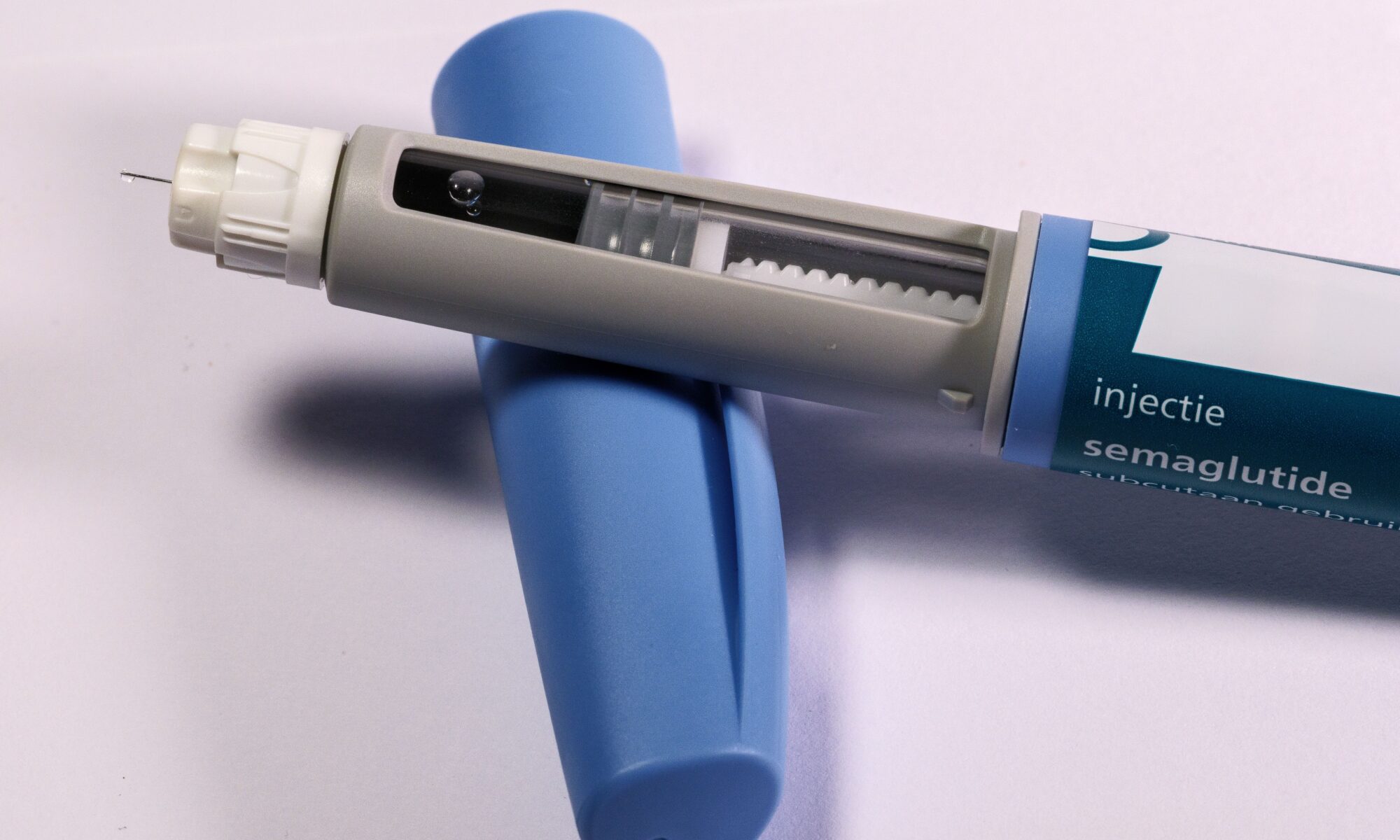
The two most widely used GLP-1 medications currently are semaglutide (Ozempic, Wegovy) and tirzepatide (Mounjaro, Zepbound). Tirzepatide is a dual agonist that activates both GLP-1 and GIP (glucose-dependent insulinotropic polypeptide) receptors, producing somewhat greater weight loss in head-to-head comparisons. Both are administered as once-weekly subcutaneous injections and are available through our weight loss program.
Semaglutide vs tirzepatide: what matters for testosterone
Both medications produce meaningful testosterone elevation as a secondary effect of weight loss in hypogonadal obese men. Tirzepatide’s greater weight loss efficacy (average 20 to 22% body weight vs 15% with semaglutide in comparative trials) may translate to a larger testosterone recovery effect for men with severe obesity. A 2025 controlled pilot study specifically demonstrated that tirzepatide significantly improved testosterone levels in men with obesity-related metabolic hypogonadism, supporting the use of GLP-1 therapy as part of a broader hormonal optimization strategy.
The Obesity-Testosterone Cycle: Why Both Treatments Are Often Needed
Understanding why GLP-1 and testosterone are so often needed together requires understanding the cycle that connects them. Obesity and low testosterone are not just co-occurring conditions. They actively cause each other through several simultaneous mechanisms.
How Obesity and Low Testosterone Drive Each Other
Obesity suppresses testosterone
Visceral fat contains high concentrations of aromatase, which converts testosterone to estrogen. The more abdominal fat a man carries, the more testosterone gets converted away. Simultaneously, adipose tissue produces inflammatory cytokines that suppress hypothalamic GnRH and pituitary LH output, reducing the signal that drives testicular testosterone production.
Low testosterone promotes obesity
Testosterone is anabolic and lipolytic. Without adequate testosterone, muscle mass declines (reducing metabolic rate), fat oxidation decreases, and visceral fat accumulates preferentially. Men with low testosterone have lower energy for physical activity, reduced motivation, and poorer sleep — all of which compound weight gain over time.
Insulin resistance links both
Insulin resistance suppresses testosterone by reducing SHBG and impairing Leydig cell function. Low testosterone worsens insulin resistance by reducing glucose uptake in muscle and promoting visceral fat. The metabolic and hormonal dysfunctions are inseparable in most affected men.
The self-reinforcing loop
Each condition actively worsens the other. Without targeted intervention at both the metabolic and hormonal level, the cycle does not break from lifestyle changes alone. This is the clinical rationale for combined GLP-1 and testosterone therapy in affected men.
This cycle explains a common clinical reality: obese men who lose significant weight through GLP-1 therapy often see meaningful testosterone recovery without TRT. Men with severe testosterone deficiency who receive TRT find it easier to lose weight even without GLP-1 therapy. But men who address both simultaneously tend to see the fastest and most complete improvement in body composition, metabolic health, energy, and sexual function.
Does GLP-1 Therapy Raise Testosterone on Its Own?
Yes, and this is one of the most important emerging findings in metabolic endocrinology. As GLP-1 medications reduce body fat — particularly visceral fat — the aromatase burden decreases, less testosterone converts to estrogen, and the hypothalamic-pituitary-gonadal (HPG) axis recovers suppressed function. The result is a meaningful spontaneous rise in testosterone in obese men who achieve substantial weight loss on GLP-1 therapy.
A 2025 controlled pilot study (PMC12220628) demonstrated that tirzepatide significantly improved total testosterone in men with obesity-related metabolic hypogonadism over 24 weeks. Testosterone rose not because of direct hormonal supplementation, but because removing the metabolic suppression allowed the endogenous system to recover. Improvements in LH and FSH alongside testosterone confirmed the recovery came from HPG axis restoration, not peripheral conversion changes alone.
This finding has practical implications for clinical decision-making. A man with BMI above 35 and total testosterone of 280 ng/dL may not require TRT at all. Starting GLP-1 therapy, losing 20 to 25% of body weight over 12 months, and rechecking testosterone at that point may reveal recovery to the 450 to 600 ng/dL range without any exogenous androgen. The severity of the testosterone deficiency, the degree of pituitary suppression, and the patient’s symptom burden all determine whether waiting for metabolic recovery is appropriate or whether earlier TRT is warranted.
Clinical note: how much testosterone recovery to expect from weight loss
Research consistently shows approximately 15 to 20 ng/dL increase in total testosterone per unit decrease in BMI in obese men. A man who loses 10 BMI units (approximately 30 to 35 kg in a typical obese man) through GLP-1 therapy could theoretically gain 150 to 200 ng/dL of testosterone through metabolic recovery alone. For a man starting at 250 ng/dL, this recovery may not reach the symptomatic threshold (typically 400 to 450 ng/dL with symptoms). For a man starting at 320 ng/dL, it might. Baseline testosterone, degree of obesity, and pituitary function all determine how much recovery to expect.
Does Testosterone Therapy Affect GLP-1 Medication Outcomes?
Yes, and the interaction is synergistic rather than competitive. Testosterone therapy supports GLP-1 outcomes through several mechanisms that address what GLP-1 medications alone cannot fully achieve.
Lean mass preservation during weight loss
GLP-1 medications produce weight loss from both fat and lean tissue. In clinical trials, approximately 25 to 40% of total weight lost on semaglutide or tirzepatide comes from lean mass rather than fat. This matters because muscle tissue drives metabolic rate. Losing significant lean mass during GLP-1 therapy can reduce the metabolic dividend of weight loss, increasing the risk of metabolic adaptation and rebound weight gain if the medication is stopped. Testosterone is anabolic to muscle tissue. In hypogonadal men on GLP-1 therapy, concurrent TRT reduces muscle loss during weight loss and may shift the fat-to-lean loss ratio more favorably. A 2024 Cureus study confirmed dose-dependent improvements in lean mass with testosterone therapy, directly relevant to the muscle preservation challenge in GLP-1-treated patients.
Insulin sensitivity enhancement
Testosterone improves insulin sensitivity independently of body weight, through direct effects on glucose transport in muscle and hepatic glucose metabolism. Combined with GLP-1’s insulin-sensitizing mechanism, the two treatments address insulin resistance through complementary pathways. Patients on both therapies frequently achieve better fasting glucose and HbA1c improvements than those on either alone.
Energy and exercise capacity
GLP-1 medications reduce appetite significantly, which can reduce the energy available for physical activity in the short term. Some patients on GLP-1 monotherapy report fatigue and reduced exercise tolerance in the early weeks. Testosterone counteracts this through its effects on energy metabolism, red blood cell production, and motivation. Men on both treatments typically report better exercise capacity and compliance with resistance training — the most important lifestyle factor for preserving lean mass and long-term metabolic rate during weight loss.
Tip: resistance training amplifies the combination
The combination of GLP-1 therapy and testosterone is most effective when paired with progressive resistance training. GLP-1 creates the caloric deficit and reduces fat. Testosterone supports the anabolic environment for muscle. Resistance training activates both systems simultaneously: it upregulates androgen receptors in muscle (amplifying testosterone’s effect) and improves insulin sensitivity (amplifying GLP-1’s metabolic benefit). Men in this combination should aim for 3 to 4 sessions of compound resistance training per week alongside adequate dietary protein (1.6 to 2.2 grams per kilogram of body weight) to protect lean mass during the weight loss phase.
Who Benefits Most from Combined GLP-1 and Testosterone Therapy?
Not every patient with both conditions needs both treatments simultaneously. The decision depends on the severity of each condition, the degree of their interaction, and the patient’s goals. The following profiles represent the clearest candidates for combined therapy.
Who Benefits Most from GLP-1 and Testosterone Combined
Patient profile
Why combination helps
Approach
Obese man with confirmed hypogonadism (T below 300 ng/dL)
Both the metabolic and hormonal cycles are active. Neither treatment alone addresses the full picture.
Start both simultaneously with close monitoring. Adjust TRT dose as weight loss progresses.
Man with low T (300 to 400 ng/dL), significant obesity, insulin resistance
GLP-1 may recover testosterone to adequate range. But symptoms are significant now.
Option A: start GLP-1 first, recheck T at 6 months. Option B: start both, reduce TRT if T recovers.
Man already on TRT, now starting GLP-1 for weight loss
GLP-1 amplifies TRT benefits through fat loss. TRT preserves lean mass during GLP-1 weight loss.
Continue TRT, add GLP-1. Monitor SHBG and free T as weight loss may change T binding dynamics.
Man already on GLP-1, discovered low T during evaluation
Low T will blunt GLP-1 weight loss outcomes by reducing lean mass retention and motivation.
Add TRT to existing GLP-1 protocol. Expect improved lean mass ratio in subsequent weight loss.
Safety Considerations and Monitoring When Combining Both
Combining GLP-1 medications and testosterone is generally safe and well-tolerated when managed by an experienced provider. However, the combination introduces specific monitoring considerations that require attention.
Hematocrit monitoring
Testosterone stimulates red blood cell production, which can raise hematocrit above safe levels. For men on TRT, hematocrit should be checked every 3 to 6 months. This monitoring requirement does not change with addition of a GLP-1 medication.
Testosterone dose adjustment as weight changes
As GLP-1 therapy produces significant weight loss, the hormonal picture changes. Reduced visceral fat means reduced aromatase activity, so less testosterone converts to estrogen. At the same time, SHBG may shift as insulin sensitivity improves. Testosterone and estradiol levels should be rechecked at 3 and 6 months into GLP-1 therapy to determine whether TRT dose adjustment is appropriate. Some men find their TRT dose needs reduction as the metabolic environment improves.
GLP-1 side effects are not affected by testosterone
The common GLP-1 side effects (nausea, reduced appetite, injection site reactions) are not worsened or improved by testosterone co-administration. The two treatments are pharmacologically independent. Starting one does not require titrating the other down.
PSA monitoring in men over 40
Men over 40 on testosterone therapy should have PSA checked annually regardless of GLP-1 co-administration. GLP-1 medications do not affect PSA directly, but the annual monitoring remains standard for men on TRT. A baseline PSA before starting testosterone therapy is mandatory. For a comprehensive overview of what monitoring looks like in practice, see our article on your first hormone therapy appointment.
Important: fertility consideration for men under 40
Standard testosterone replacement suppresses the HPG axis and reduces sperm production. GLP-1 medications do not affect fertility independently, but men who are considering TRT alongside GLP-1 therapy and who want biological children should discuss fertility-preserving alternatives before starting exogenous testosterone. Options include clomiphene, hCG, or hCG combined with low-dose TRT. This conversation must happen before initiating TRT in any man who has not completed family building. GLP-1 therapy alone for weight loss does not carry this concern.
GLP-1 Medications and Women: Hormonal Implications
Most of the direct evidence linking GLP-1 and testosterone recovery comes from male populations. However, women with obesity also experience hormonal disruption that GLP-1 therapy can partially address.
In women with polycystic ovary syndrome (PCOS), GLP-1 receptor agonists reduce androgen excess (high testosterone) rather than raising low testosterone. Weight loss through GLP-1 therapy in women with PCOS reduces insulin resistance, which lowers LH excess, which in turn reduces ovarian androgen overproduction. This hormonal normalization alongside weight loss can improve menstrual regularity, reduce hirsutism, and improve fertility outcomes.
For women with low testosterone alongside obesity — a different clinical picture from PCOS — the hormonal evaluation should include a full female hormone panel before and during GLP-1 therapy to track changes. Weight loss through GLP-1 in women with elevated SHBG from obesity may increase free testosterone availability without supplementation. For a full discussion of low testosterone in women, see our dedicated article on low testosterone in women. For women in perimenopause managing both hormonal changes and weight gain, see our article on perimenopause and hormone therapy.
Frequently Asked Questions
Can I take semaglutide or tirzepatide while on testosterone replacement therapy?
Yes. GLP-1 medications and testosterone replacement therapy have no direct pharmacological interaction and can be used together safely. They work through entirely different systems: GLP-1 through gut hormone receptors and central appetite signaling, testosterone through androgen receptors in muscle, fat, and the brain. Combining them is common in men with obesity-related hypogonadism who need both metabolic and hormonal support.
Will GLP-1 medications raise my testosterone without TRT?
Possibly, and in many obese men significantly so. GLP-1-driven weight loss reduces visceral fat, decreasing aromatase activity and allowing natural testosterone recovery. A 2025 controlled pilot study showed tirzepatide meaningfully raised total testosterone in obese men with metabolic hypogonadism over 24 weeks. How much recovery occurs depends on baseline testosterone, degree of obesity, and whether the pituitary-testicular axis retains adequate reserve. Men with very low testosterone (below 250 ng/dL) are less likely to recover to symptomatic normalcy through weight loss alone and may benefit from concurrent TRT.
Should I start TRT or GLP-1 first if I need both?
The sequencing depends on symptom severity and baseline labs. For men with severe testosterone deficiency (below 250 ng/dL) and significant obesity, starting both simultaneously addresses the cycle from both ends and tends to produce the fastest improvement. For men with borderline low testosterone (300 to 400 ng/dL) and significant obesity, starting GLP-1 first and rechecking testosterone after 6 months of weight loss is a reasonable approach to see how much natural testosterone recovery occurs before deciding whether TRT is needed. Your provider should help determine the appropriate sequence based on your full hormonal and metabolic picture.
Do GLP-1 medications affect how TRT is metabolized?
GLP-1 medications slow gastric emptying, which can affect absorption of oral medications. However, testosterone is almost always administered through non-oral routes: injections, topical gels, pellets, or patches. These delivery methods bypass gastrointestinal absorption entirely, so GLP-1’s effect on gastric emptying does not affect testosterone pharmacokinetics. The primary indirect effect of GLP-1 on TRT is through changing the hormonal environment: as body fat decreases, aromatase activity decreases, and the testosterone-to-estradiol ratio changes, which may warrant TRT dose adjustment over time.
How does losing weight on GLP-1 affect my testosterone level over time?
As GLP-1 therapy reduces body fat over 6 to 12 months, several changes occur that progressively improve testosterone status. Aromatase activity falls as visceral fat decreases, reducing testosterone-to-estrogen conversion. Insulin sensitivity improves, reducing the suppressive effect of chronic insulin elevation on the HPG axis. Inflammatory cytokines from adipose tissue decline, removing a major source of hypothalamic suppression. For men already on TRT, the therapeutic dose established at a higher body weight may need downward adjustment as these metabolic changes occur, since the body is now retaining more free testosterone naturally. Regular testosterone and estradiol monitoring every 3 to 6 months during significant weight loss is recommended.
Can GLP-1 and testosterone combination improve sexual function?
Yes, and this is frequently one of the most noticeable patient-reported outcomes from combined therapy. Low testosterone directly reduces libido and sexual function. Obesity contributes independently through vascular dysfunction, low energy, reduced self-image, and elevated estrogen. GLP-1 therapy improves vascular health, body composition, and energy alongside weight loss. Testosterone restores the hormonal drive for sexual desire and function. Together they address most of the biological contributors to sexual dysfunction in obese hypogonadal men. For additional sexual health support, see our sexual health service page and our article on erectile dysfunction and hormones.
What labs should be monitored when on both GLP-1 and testosterone?
Standard monitoring for the combination includes: total and free testosterone with SHBG (at initiation and every 3 months during weight loss phase, then every 6 months once stable), estradiol (to monitor aromatization changes as body fat decreases), hematocrit and hemoglobin (every 3 to 6 months for men on TRT), PSA for men over 40 (annually), fasting glucose and HbA1c (every 3 to 6 months during active GLP-1 therapy), and lipid panel (annually). A comprehensive metabolic panel baseline and every 6 months is also standard. For a full overview of what a hormone lab panel looks like, see our article on how to read your hormone lab results.
Does GLP-1 therapy affect HGH or IGF-1 levels?
GLP-1 medications improve the conditions that support GH pulsatility rather than directly stimulating GH. Weight loss through GLP-1 reduces the visceral fat that chronically suppresses GH secretion. Improved insulin sensitivity removes a major factor that blunts GH pulses. The net result is that patients who lose significant weight on GLP-1 therapy often see modest improvements in IGF-1 alongside other hormonal improvements. For patients already on HGH therapy or Sermorelin, GLP-1 is compatible and the combination has complementary effects on body composition and metabolic function. See our article on HGH therapy timeline for more on how GH restoration affects body composition.
Considering GLP-1 therapy, testosterone optimization, or both?
Our specialists evaluate the full hormonal and metabolic picture and design a combined protocol where appropriate. We manage both GLP-1 medications and testosterone therapy under one roof with coordinated monitoring.
This article is for informational and educational purposes only. It does not constitute medical advice, a diagnosis, or a treatment recommendation. GLP-1 receptor agonists and testosterone replacement therapy are prescription medications that must be evaluated, prescribed, and monitored by a licensed healthcare provider. Individual responses to either treatment depend on baseline labs, severity of deficiency, and the full clinical picture. If you are experiencing symptoms associated with hormonal imbalance or metabolic dysfunction, consult a licensed provider for appropriate evaluation and testing.