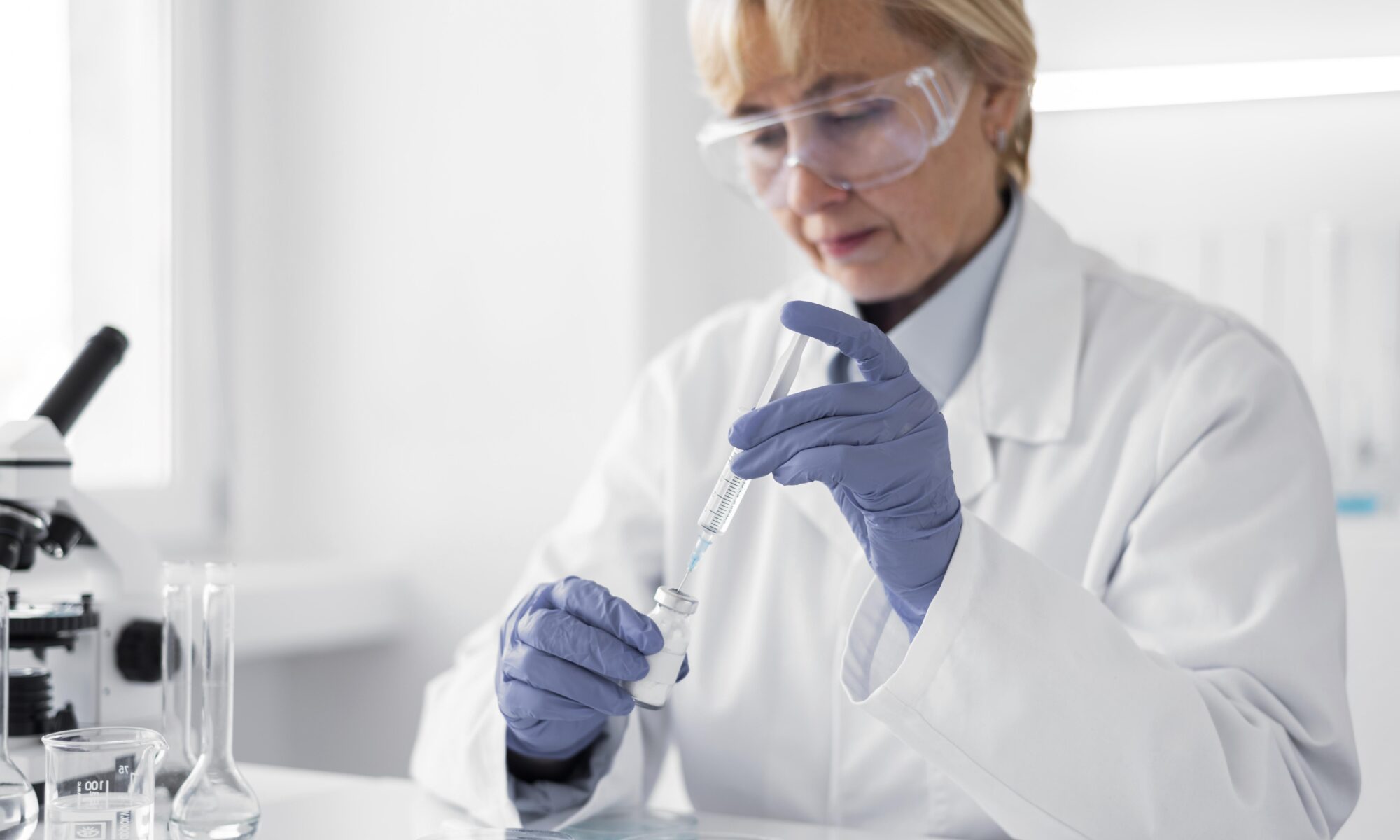
BPC-157 tissue repair research has generated significant interest over the past decade, and for good reason. The peptide shows a compelling preclinical profile spanning tendon healing, gut repair, nerve regeneration, and systemic anti-inflammatory effects. For patients who discovered BPC-157 through injury recovery communities, sports medicine forums, or integrative health providers, understanding its current status in 2026 requires cutting through a substantial layer of outdated information, regulatory change, and persistent marketing claims that no longer reflect legal reality.
This article covers what BPC-157 is, what the research actually demonstrates, where the regulatory situation stands as of 2026, and what patients seeking tissue repair support through peptide therapy can realistically access today. According to data reviewed by the National Institutes of Health, BPC-157 demonstrates multi-system healing properties in animal models across more than 30 years of published research, making it one of the most studied peptides for repair physiology.
Quick answer
BPC-157 (Body Protection Compound 157) is a synthetic pentadecapeptide derived from a gastric protein. Animal research demonstrates strong tissue repair properties including tendon and ligament healing, gut repair, and nerve regeneration. As of 2024 to 2026, BPC-157 is not eligible for 503A compounding in the United States following FDA regulatory actions, meaning it cannot legally be compounded by US pharmacies. Patients seeking peptide-based tissue support should discuss currently compliant alternatives with a licensed provider.
What Is BPC-157 and Where Does It Come From?
BPC-157 is a pentadecapeptide consisting of 15 amino acids. It is derived from a protein found in human gastric juice called Body Protection Compound, from which the name originates. Unlike growth hormone or testosterone, BPC-157 is not a naturally circulating hormone. It is a fragment of a larger gastric protein that has been isolated and studied extensively for its systemic repair properties.
The peptide was first characterized by Croatian researcher Dr. Predrag Sikiric and colleagues in the 1990s, and has since been the subject of more than 30 years of continuous research, primarily in rodent and some larger animal models. BPC-157 has been studied in models of tendon injury, ligament rupture, bowel inflammation, traumatic brain injury, peripheral nerve damage, cardiac ischemia, wound healing, and bone repair. The consistency of positive findings across such a wide range of tissue types is one of the reasons the compound attracted widespread clinical interest before regulatory actions changed its availability.
How BPC-157 Supports Tissue Repair: Proposed Mechanisms
Angiogenesis
Stimulates formation of new blood vessels in damaged tissue, accelerating delivery of oxygen and nutrients needed for repair.
Tendon fibroblast activation
Upregulates tendon fibroblast proliferation and collagen synthesis, two processes central to structural repair of tendons and ligaments.
Nitric oxide modulation
Interacts with the nitric oxide system to regulate inflammation, vascular tone, and tissue perfusion in injured areas.
Gut mucosal protection
Protects and repairs the intestinal lining, accelerates healing of gastric ulcers, and reduces intestinal permeability in animal models.
Growth factor upregulation
Increases expression of VEGF and EGF in injured tissue, two growth factors critical for vascular and epithelial repair.
Systemic effects
Appears to have systemic effects even when administered remotely from injury sites, suggesting central regulatory mechanisms beyond local action.
All mechanisms listed are based on animal research. Human clinical trial data for BPC-157 is limited as of 2026.
What the Research Actually Shows: Animal Data vs Human Evidence
The most important context for any patient evaluating BPC-157 is understanding the research hierarchy. The evidence base is extensive but is almost entirely derived from animal studies, predominantly rodent models. This is not a minor caveat. Animal models of tissue repair frequently overestimate clinical benefit in humans due to differences in healing biology, systemic complexity, and the controlled conditions of laboratory research versus real patient populations.
That said, the animal data is genuinely impressive in its breadth and consistency. Across more than 100 published studies, BPC-157 has demonstrated accelerated tendon-to-bone healing, improved outcomes in colitis and inflammatory bowel models, faster recovery from muscle crush injuries, neuroprotective effects in traumatic brain injury models, and accelerated skin wound closure. The peptide shows an unusually favorable safety profile in animal studies, with no identified toxic dose across all tested delivery routes.
Human data remains limited. One small Phase II clinical trial examined oral BPC-157 for inflammatory bowel disease. Several other trials have been registered but not fully published as of 2026. The gap between animal research enthusiasm and human clinical evidence is the central honest challenge of evaluating BPC-157 as a clinical tool.
Research context
The animal research on BPC-157 was conducted predominantly at the University of Zagreb and represents one of the most focused single-lab bodies of peptide research in existence. The consistency of findings across decades is a meaningful signal. What it cannot tell us is whether the same effects occur in humans at comparable doses through the same mechanisms. This distinction matters. It is the entire basis for why human trials exist. Patients should view the animal data as hypothesis-generating rather than as confirmed clinical evidence.
BPC-157 Regulatory Status in 2026: What Changed and Why
BPC-157 regulatory status is the most critical piece of current information for patients in the United States. The situation changed materially between 2023 and 2024, and a significant amount of online content still reflects the pre-2024 landscape.
BPC-157 US Regulatory Timeline
Date
Event
Before 2022
BPC-157 widely available through US 503A compounding pharmacies. Commonly used for injury recovery, gut health, and inflammation.
2023
FDA places BPC-157 on the Category 2 nominated bulk substances list for review. Continued availability while review proceeds.
Oct to Dec 2024
PCAC votes that BPC-157 does NOT meet criteria for the 503A bulks list. FDA confirms. Legal 503A compounding of BPC-157 effectively ends.
2025 to 2026
BPC-157 not legally available through compliant US compounding pharmacies. Final rule expected by March 2027.
Current alternatives
Sermorelin remains on the approved 503A bulks list. Consult a licensed provider for current compliant peptide options.
Important: verify your source
Any US provider offering BPC-157 through a compounding pharmacy after December 2024 is operating outside 503A regulatory compliance. Products from non-compliant channels carry risks including unknown purity, incorrect dosing, bacterial contamination, and no medical oversight. If a provider cannot confirm that their BPC-157 is sourced from a current FDA-compliant 503A pharmacy, the product should be treated as unverified and potentially unsafe.
What BPC-157 Was Used For: Clinical Applications Before 2024
Understanding what BPC-157 was used for in clinical practice provides context for patients trying to find compliant alternatives. The primary applications fell into four categories.
Musculoskeletal injury recovery
The most common clinical use was for tendon, ligament, and muscle injuries slow to heal through standard rehabilitation. Rotator cuff injuries, Achilles tendinopathy, patellar tendon issues, and ACL recovery were frequently cited indications. Animal data showed accelerated tendon-to-bone healing and improved structural integrity of repaired tissue.
Gut and intestinal healing
The gastric origin of the peptide made it a candidate for gut repair. It was used in patients with inflammatory bowel disease, leaky gut syndrome, ulcers, and post-antibiotic gut dysbiosis. Oral administration was explored specifically for this indication because of direct mucosal contact with the gut lining.
Post-surgical tissue repair
Some practitioners used BPC-157 postoperatively to accelerate tissue healing, reduce inflammation at surgical sites, and support recovery from procedures involving significant soft tissue disruption.
Neuroprotection and nerve repair
Animal research on peripheral nerve crush injuries and brain injuries showed neuroprotective effects. This was among the more speculative clinical applications given the significant distance from animal research to confirmed human clinical benefit in neuroprotection.
Note on delivery methods
BPC-157 was administered through multiple routes: subcutaneous or intramuscular injection (most common for systemic effects), local injection near the injury site, and oral administration (explored for gut applications). The oral route is of interest because unlike most peptides, BPC-157 shows some evidence of GI tract stability in animal studies. Whether this oral stability holds in humans at therapeutic doses remains unconfirmed.
What Is Available Now: Legal Alternatives for Tissue Repair Support
Patients who were using BPC-157 for tissue repair or who are seeking peptide-based support for similar goals have several legally compliant avenues worth evaluating with a licensed provider. None are direct substitutes as they work through different mechanisms, but they address overlapping clinical goals.
Sermorelin for GH-mediated tissue remodeling
Sermorelin remains on the FDA’s 503A approved bulks list. By stimulating the pituitary to increase endogenous GH production, it supports IGF-1 elevation, which in turn supports connective tissue synthesis, collagen production, and musculoskeletal recovery. For patients whose primary goal is improved musculoskeletal repair and recovery capacity, Sermorelin represents a fully compliant option with a meaningful evidence base.
Testosterone optimization for musculoskeletal support
In patients with confirmed testosterone deficiency, testosterone replacement therapy supports muscle protein synthesis, connective tissue integrity, and overall tissue repair capacity. Testosterone acts through androgen receptors in muscle and tendon tissue and has a well-established evidence base for improving musculoskeletal function in deficient adults.
HGH therapy for systemic repair support
For patients with confirmed or suspected growth hormone deficiency, HGH therapy addresses the hormonal infrastructure that supports tissue repair systemically. GH and IGF-1 are core drivers of collagen synthesis, fibroblast activity, and musculoskeletal tissue integrity. Patients who relied on BPC-157 for tendon and ligament support and who have not had an IGF-1 baseline drawn may benefit from a full GH evaluation. See our article on how long before HGH therapy shows results for a full timeline of tissue-level changes.
Comprehensive hormonal evaluation
Many of the tissue repair challenges that drove BPC-157 use, including slow recovery, poor connective tissue response, and chronic low-grade inflammation, have hormonal root causes addressable through fully legal protocols. See our article on your first hormone therapy appointment for how this evaluation works.
Clinical note: the hormonal context matters
Tissue repair capacity declines with age not only because of cellular aging but because of the hormonal environment that supports repair. Low testosterone reduces fibroblast activity and protein synthesis. Low GH and IGF-1 reduces collagen production and angiogenesis. Elevated cortisol increases catabolic activity and delays healing. For patients frustrated with slow injury recovery, a comprehensive hormonal evaluation frequently reveals correctable deficiencies that a single peptide alone could not have addressed. See our article on the cortisol and healing connection for further context.
Frequently Asked Questions About BPC-157 and Tissue Repair
Does BPC-157 actually work for tissue repair in humans?
The animal research is compelling and unusually extensive, consistently showing accelerated healing across multiple tissue types. The honest answer for humans is: we do not know with certainty, because robust human clinical trials have not been completed. The gap between animal research and confirmed human clinical evidence is real and significant. Patients who used BPC-157 and reported positive results are providing anecdotal evidence, which is valuable but not equivalent to controlled trial data.
Is BPC-157 dangerous or unsafe?
The FDA’s decision to remove BPC-157 from the 503A bulks list was based on regulatory eligibility criteria, not on specific identified safety concerns. Animal studies have consistently shown a favorable safety profile with no identified toxic dose. The primary safety concerns come from unregulated sources: contamination, incorrect dosing, and absence of medical oversight rather than from the compound itself.
Why did the FDA restrict BPC-157 compounding?
The PCAC voted in October 2024 that BPC-157 did not meet criteria for the 503A bulks list. This determination was based on regulatory eligibility requirements, not on a finding that the compound is unsafe or ineffective. BPC-157 has no FDA-approved drug formulation, which is the starting point for 503A eligibility assessment.
Can I still get BPC-157 from overseas or research chemical suppliers?
Products from these sources carry significant risks: no quality control, no guaranteed purity, no accurate dosing, and no medical oversight. Research chemical products labeled “not for human use” do not meet human safety standards regardless of how they are marketed to self-injection communities. Patients should approach these sources with extreme caution.
What peptides are still legally available for tissue repair support in 2026?
Sermorelin remains on the FDA’s 503A approved bulks list and is legally available through compliant compounding pharmacies. It addresses GH-mediated tissue repair mechanisms through stimulating endogenous GH production. The regulatory status of other peptides changes periodically and should always be confirmed with a licensed provider before use.
Does BPC-157 help with gut healing specifically?
The gut healing research is among the strongest in the BPC-157 literature. Multiple animal studies demonstrate protection against NSAID-induced gut damage, healing of IBD-like intestinal inflammation, and acceleration of gastric ulcer repair. One human Phase II trial for IBD was initiated. Whether these effects hold in human patients at practical doses remains the primary unanswered clinical question.
How does BPC-157 compare to growth hormone for tissue repair?
They act through different mechanisms and are not direct substitutes. BPC-157 proposed mechanisms include direct angiogenesis and fibroblast activation at the local tissue level. Growth hormone and IGF-1 support tissue repair more systemically through collagen synthesis upregulation and protein anabolic signaling. In practice they were sometimes used together for complementary effects. For patients evaluating options in 2026, HGH therapy or Sermorelin addresses the GH-mediated component of tissue repair through a fully legal and medically supervised pathway.
Will BPC-157 become legally available again in the future?
The FDA’s final determination on the 503A bulks list is expected by March 2027. Reversals of PCAC recommendations are uncommon but possible. A separate pathway exists: if a pharmaceutical company pursued a full FDA approval program, BPC-157 could potentially gain approval as a drug product. No company has publicly announced such a program as of early 2026. The most realistic near-term scenario is that the current restricted status continues until the 2027 final ruling.
Looking for legally compliant peptide and hormone options for tissue repair support?
Our specialists evaluate IGF-1, testosterone, and full hormone status, and design protocols using currently compliant compounds tailored to your recovery goals and clinical picture. No referral needed.
This article is for informational and educational purposes only. It does not constitute medical advice, a diagnosis, or a treatment recommendation. Regulatory information regarding BPC-157 reflects the status as of early 2026 and may be subject to change as the FDA’s review process continues. BPC-157 is not FDA-approved for any indication and is not currently eligible for 503A compounding in the United States. Any injectable peptide product should only be used under medical supervision with compounds sourced from verified FDA-compliant pharmacies. If you are experiencing symptoms associated with tissue repair deficiency or hormonal imbalance, consult a licensed provider for appropriate evaluation and testing.